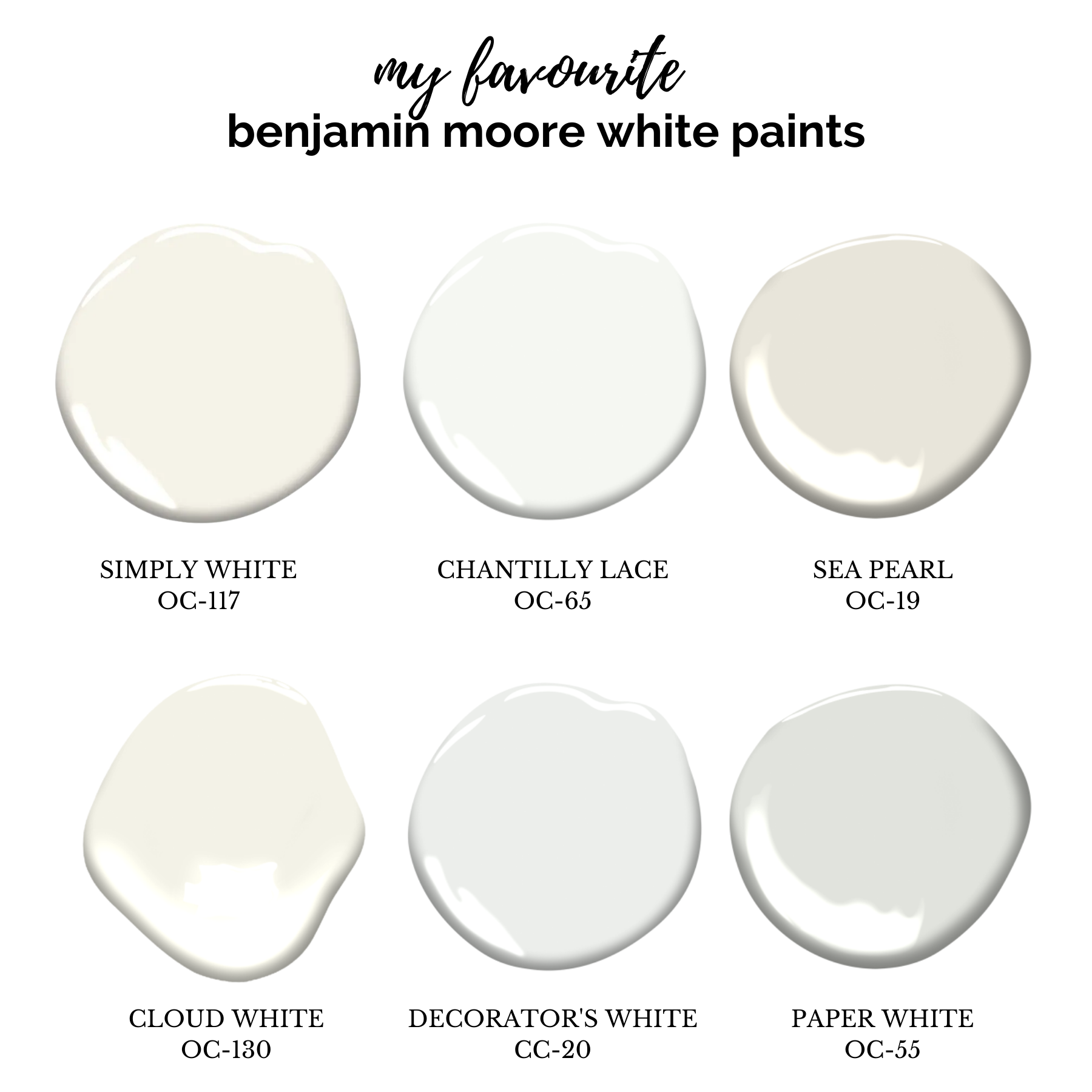





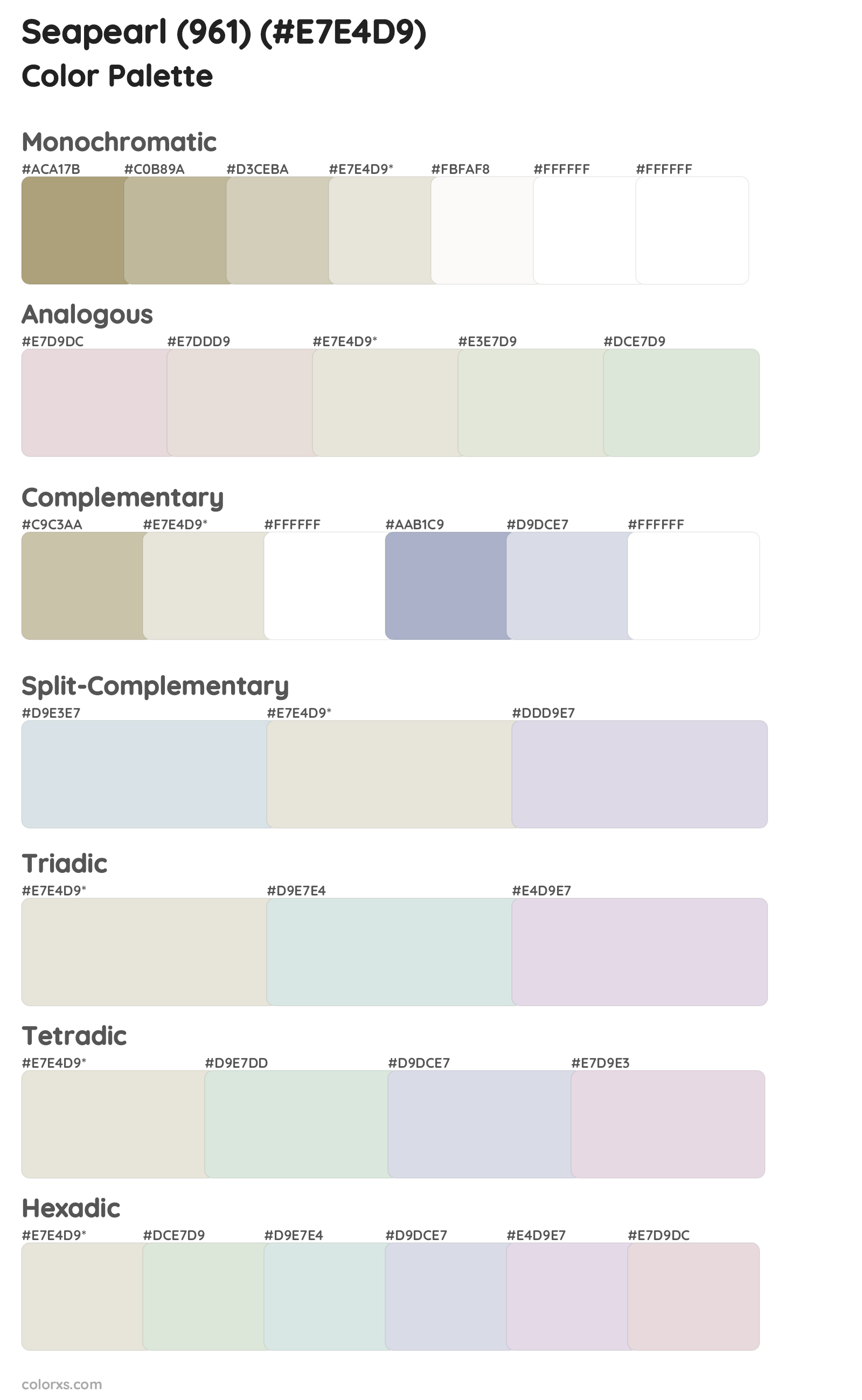
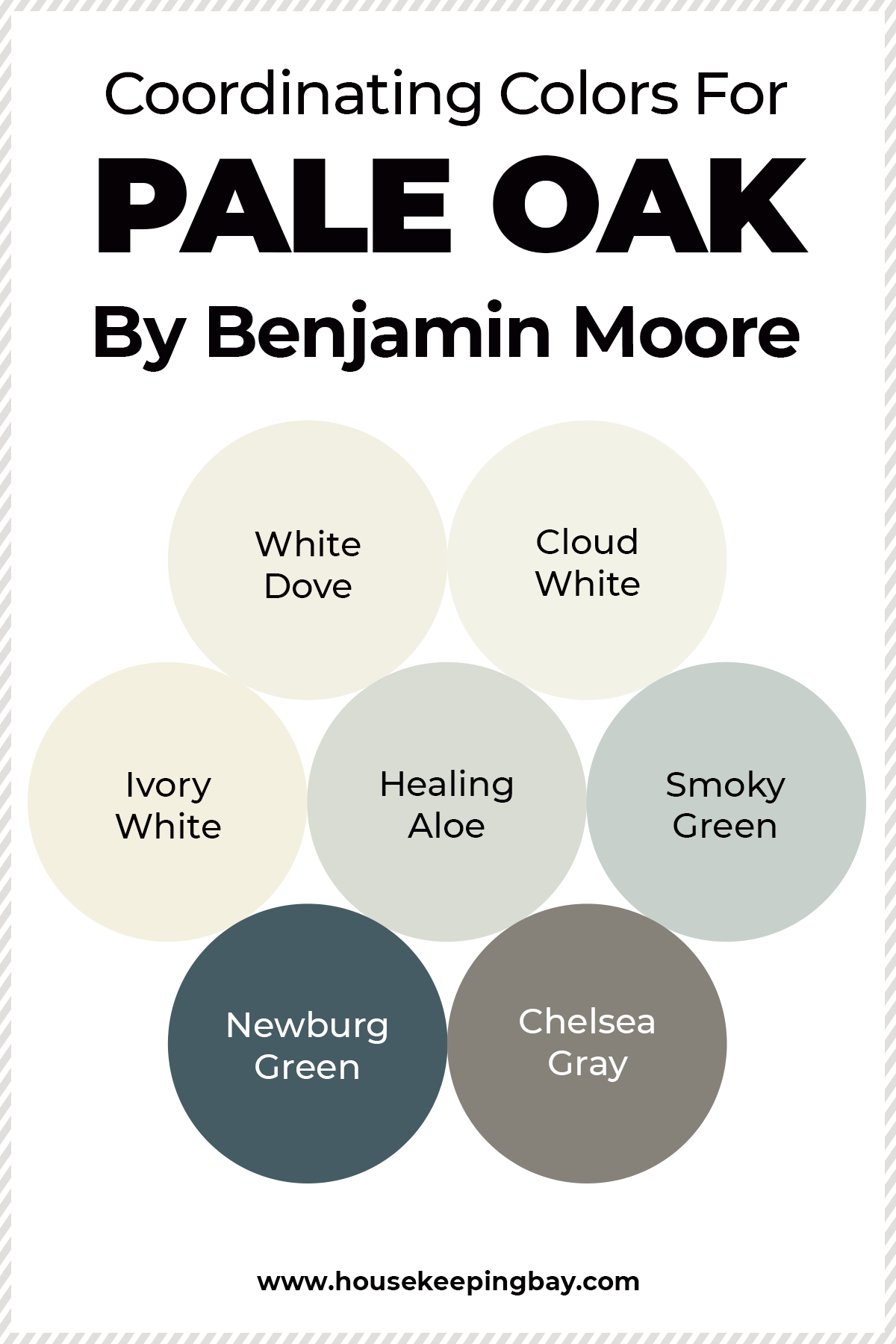
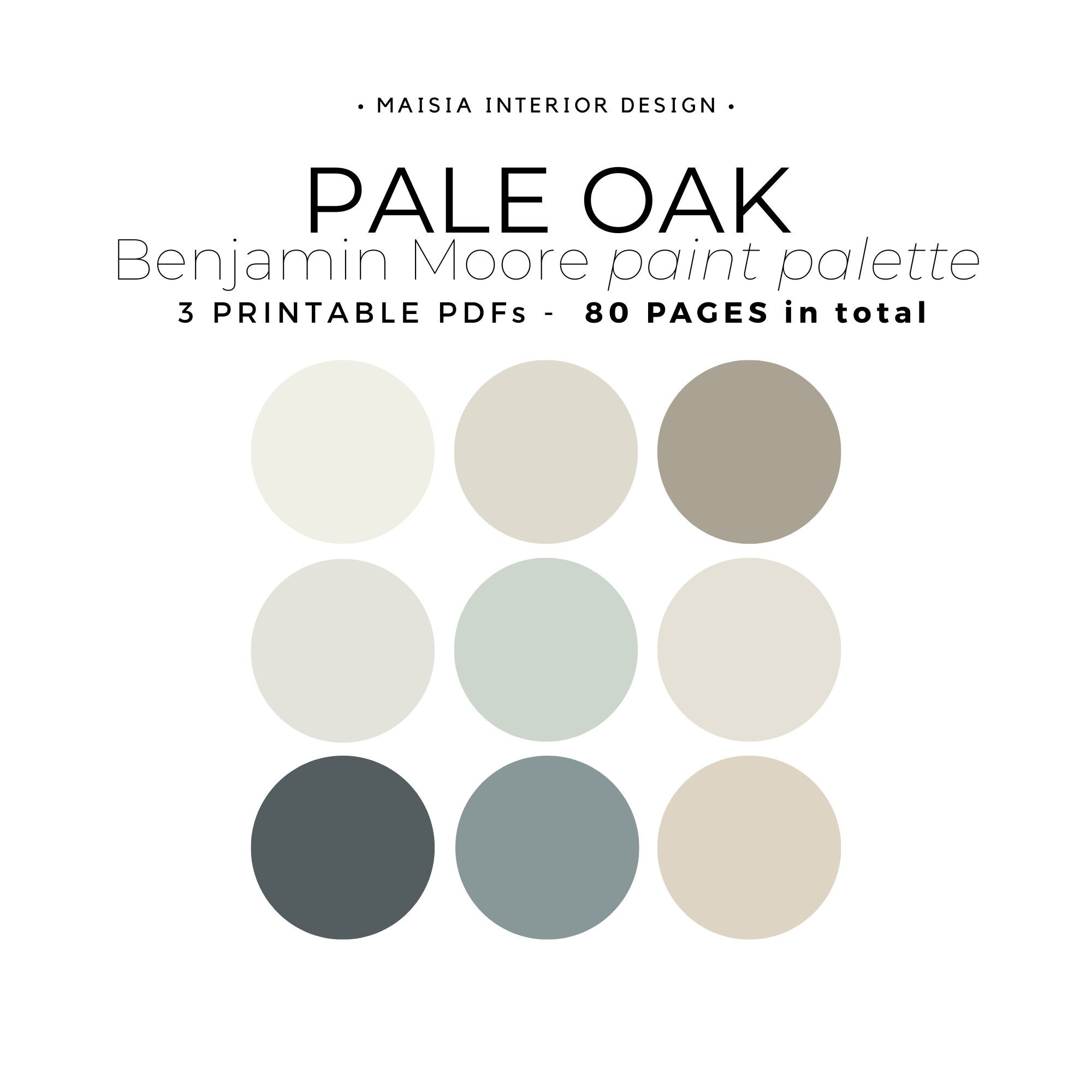


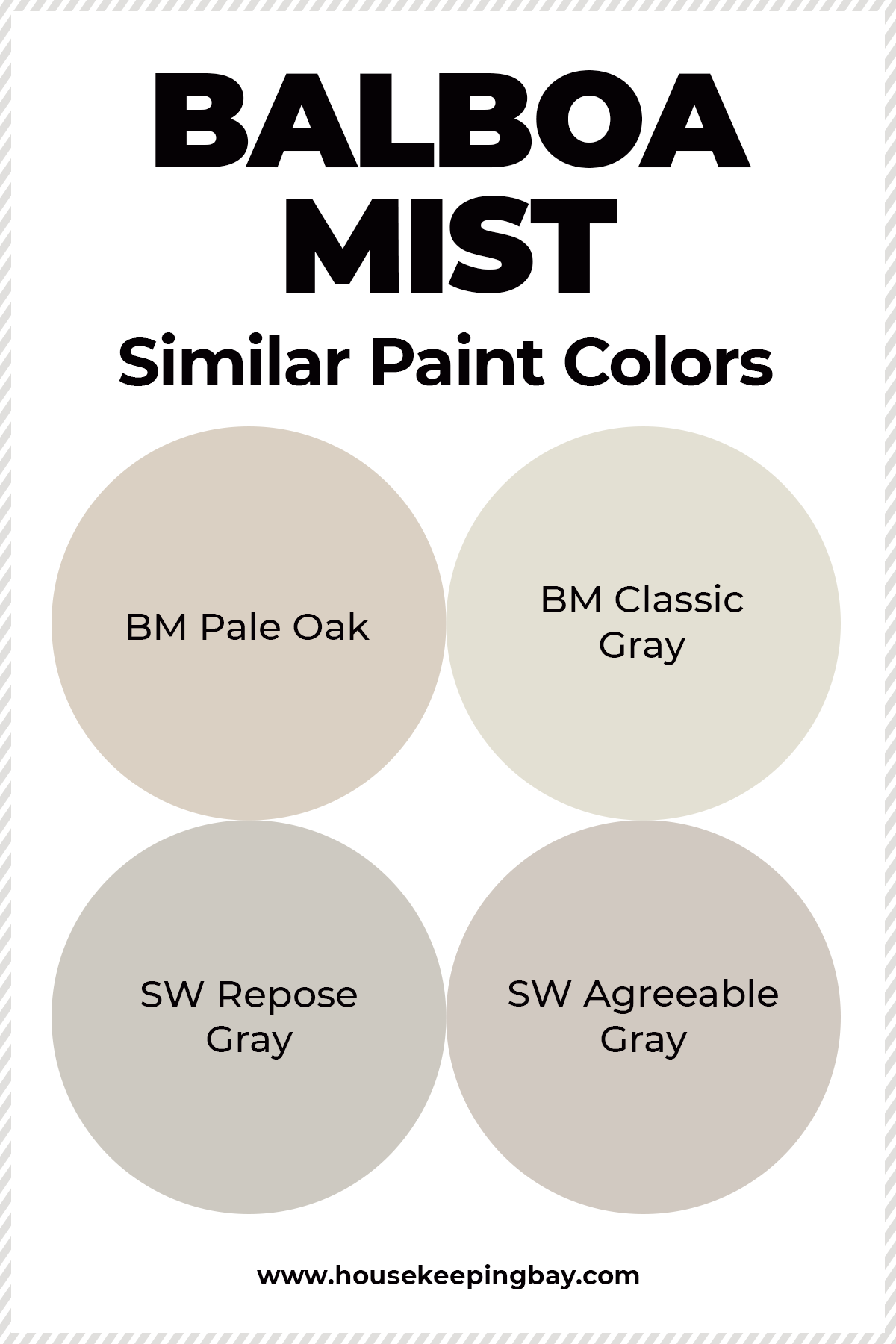
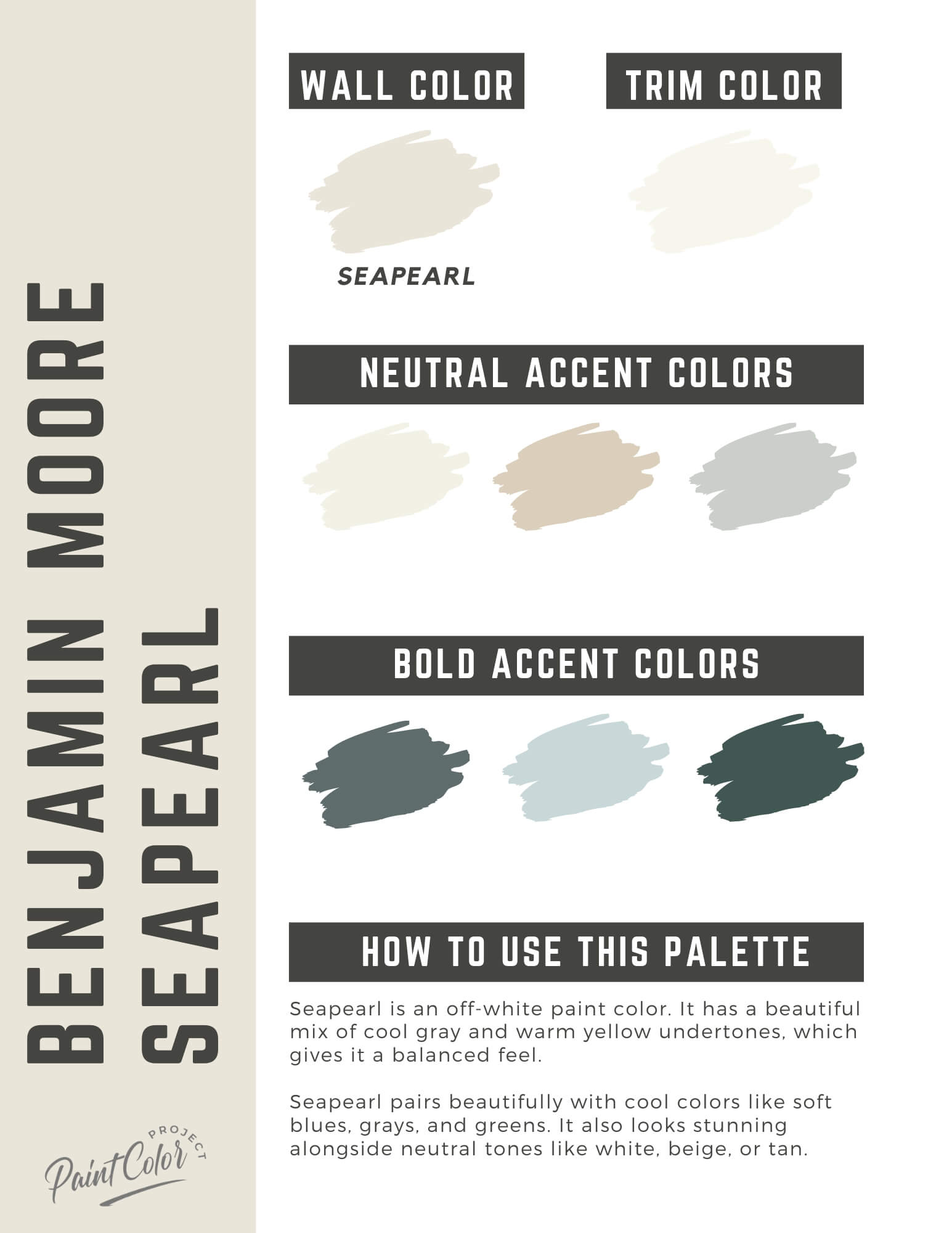



Whether for personal, professional, or academic reasons, understanding benjamin moore seapearl vs pale oak is a worthwhile endeavor. This article makes that process as smooth as possible.
Experts who study benjamin moore seapearl vs pale oak often emphasize a few recurring themes. These themes aren’t arbitrary — they emerge because they consistently matter across different contexts, audiences, and use cases involving benjamin moore seapearl vs pale oak.
It’s also worth considering the role that timing plays in benjamin moore seapearl vs pale oak. In many cases, when you engage with something matters almost as much as how you engage with it.
When it comes to benjamin moore seapearl vs pale oak, these are some of the most commonly recommended approaches:
- Start with a solid understanding of the basics before diving into the more complex aspects of benjamin moore seapearl vs pale oak.
- Document your questions and findings as you explore benjamin moore seapearl vs pale oak — it helps organize your thinking.
- Be willing to revise your understanding of benjamin moore seapearl vs pale oak as you gather new information.
- Seek out people with firsthand experience in benjamin moore seapearl vs pale oak — their insights are often more practical than textbook knowledge.
- Do your research from multiple sources to get a well-rounded view of benjamin moore seapearl vs pale oak.
We’ve covered a lot of ground in this article on benjamin moore seapearl vs pale oak. The most important thing now is to carry that knowledge forward — applying it where it’s relevant and continuing to build on it over time.