
















In our experience, the best way to approach contribution is to start with context, then build toward practical insights. That’s exactly the structure we’ve used here.
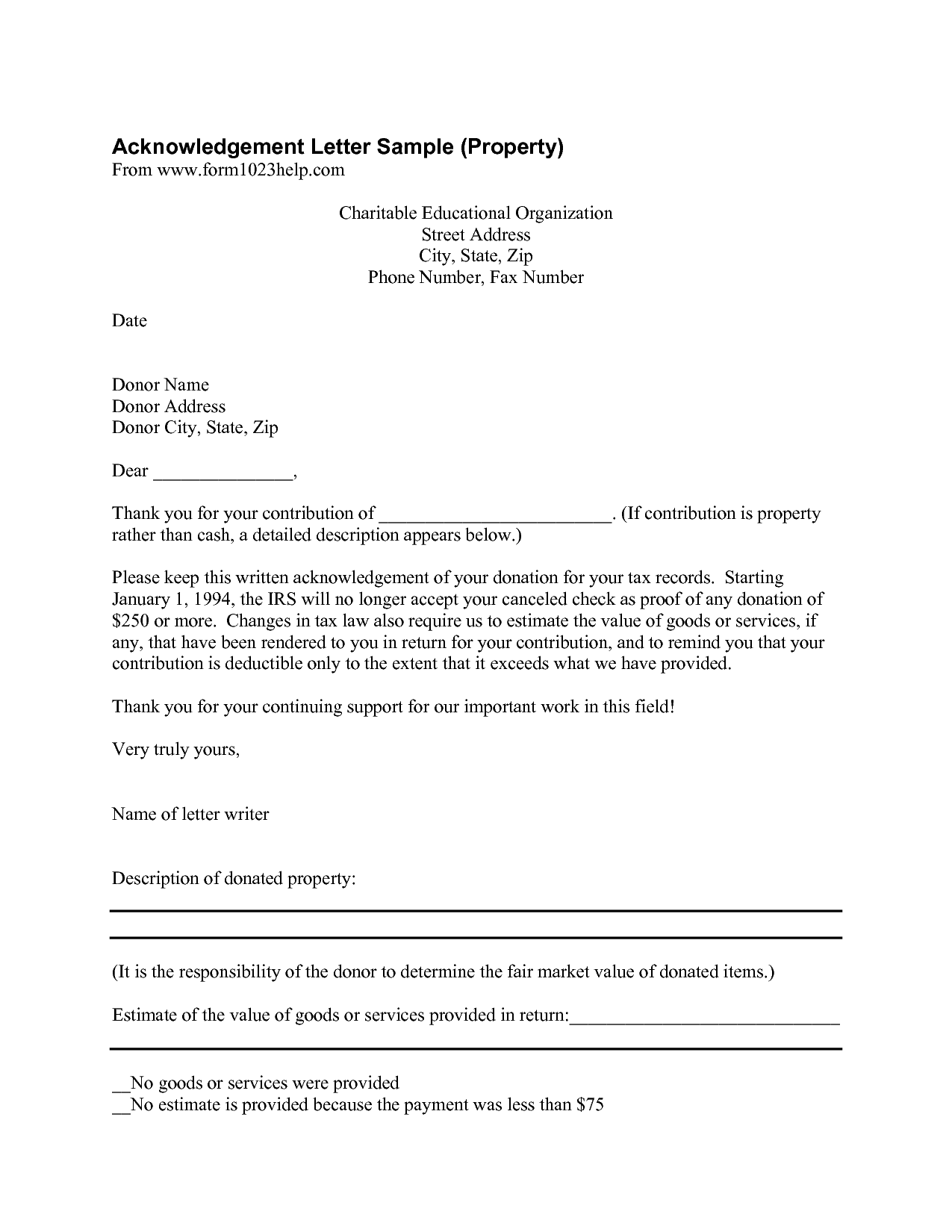
Webwhen you make a contribution, it means you’re giving something away — whether it’s your money, your possessions, or your time.
Looking at contribution through a practical lens means asking: how does this affect me, or the people I care about? That question leads to the most useful and immediately actionable insights.
If you’ve previously had a negative or confusing experience with contribution, it may be because you were missing some of the contextual information that makes everything else click into place.
To get the most out of your engagement with contribution, consider the following key insights:
- Approach contribution with patience — deep understanding takes time to develop.
- Start with a solid understanding of the basics before diving into the more complex aspects of contribution.
- Seek out people with firsthand experience in contribution — their insights are often more practical than textbook knowledge.
- Document your questions and findings as you explore contribution — it helps organize your thinking.
- Do your research from multiple sources to get a well-rounded view of contribution.
- Take note of how contribution connects to related topics — the connections often illuminate the subject.
Thank you for taking the time to explore contribution with us. Our goal was to provide content that’s accurate, useful, and accessible — and we hope we’ve achieved that. Feel free to revisit this article and share it with others who might find it valuable.